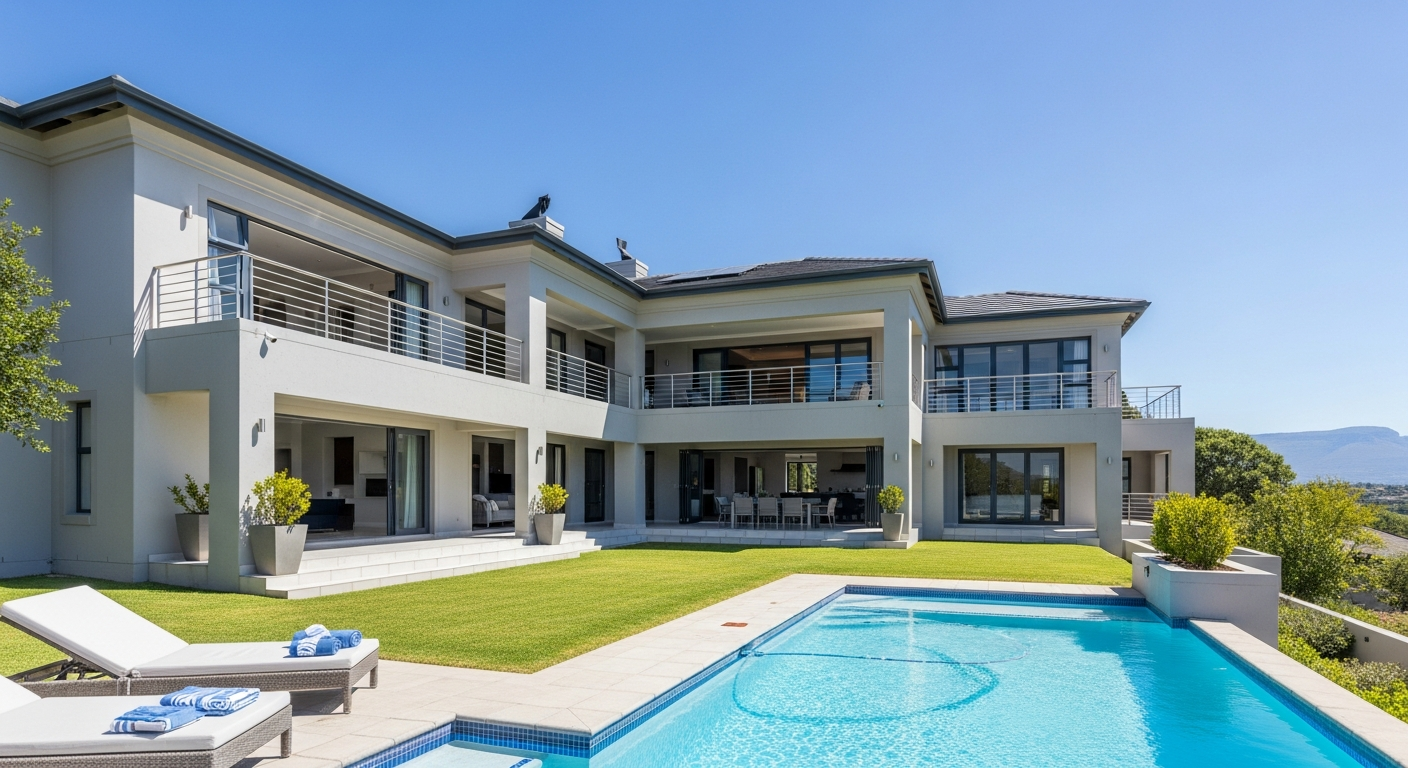
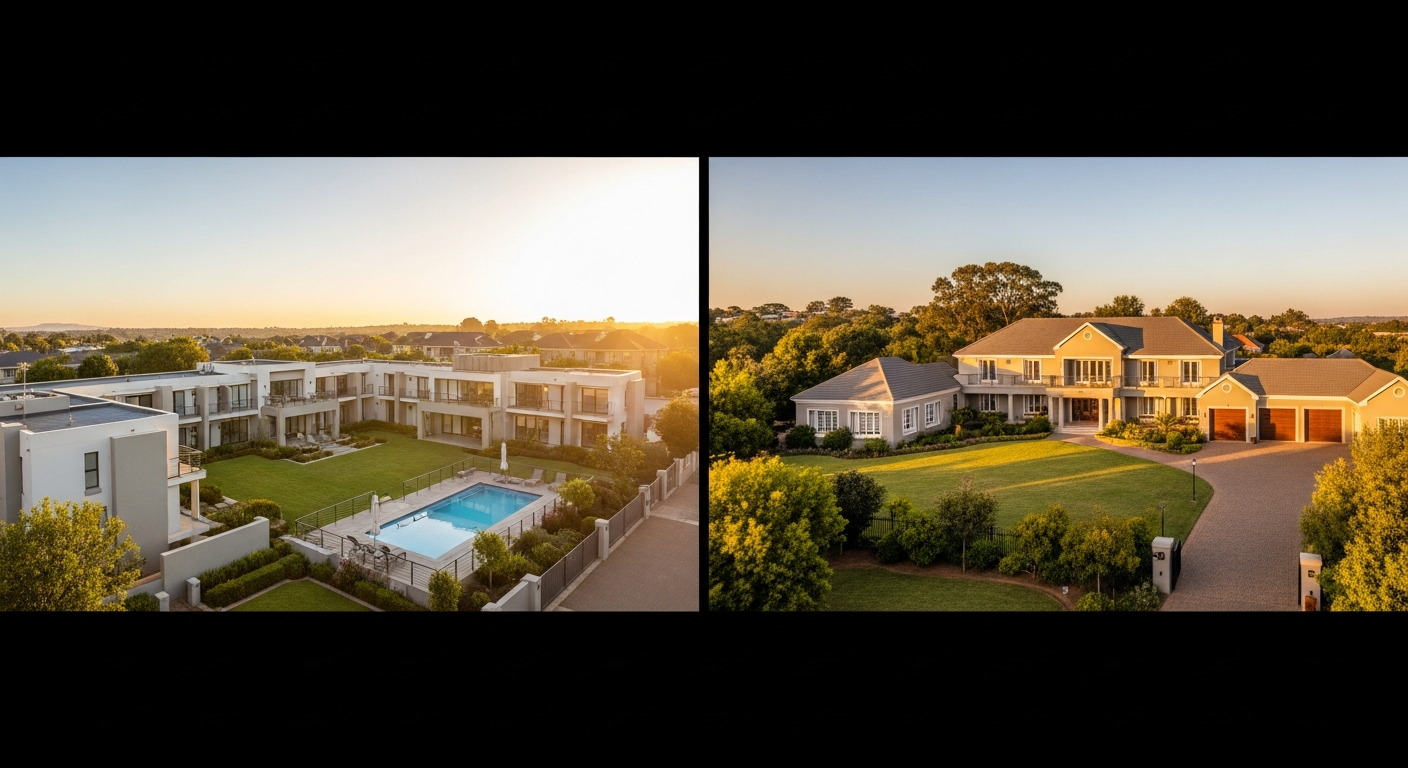
Choosing between sectional title and freehold property is one of the biggest decisions SA buyers face. Learn the key differences, costs, and which suits your lifestyle.
Sectional Title vs Freehold Property: What South African Buyers Must Know
Understanding the difference between sectional title and freehold property is one of the most important steps any South African property buyer can take before signing an offer to purchase. These two property types come with fundamentally different ownership structures, costs, responsibilities, and lifestyle implications — and choosing the wrong one for your needs can lead to financial strain or dissatisfaction down the line. Whether you are a first-time buyer exploring a townhouse complex in Centurion or an experienced investor weighing up a freestanding home, this comprehensive guide will walk you through everything you need to know. We cover levies, legal frameworks, maintenance responsibilities, and provide practical checklists to help you make a confident, informed decision.
What Is Sectional Title Property in South Africa?
A sectional title property refers to a unit within a larger development where you own your individual section — typically an apartment, townhouse, or cluster unit — along with an undivided share in the common property. Common property includes shared spaces such as gardens, driveways, swimming pools, and security infrastructure. Sectional title ownership in South Africa is governed by the Sectional Titles Schemes Management Act (STSMA) No. 8 of 2011 and the Community Schemes Ombud Service Act (CSOSA).
Key Features of Sectional Title Ownership
- Body Corporate: All owners collectively form a Body Corporate responsible for managing the scheme.
- Levies: Monthly levies are charged to cover maintenance, insurance, and administrative costs of common property.
- Rules: Conduct rules and management rules govern what owners can and cannot do within the scheme.
- Trustees: Elected trustees manage day-to-day operations on behalf of the Body Corporate.
- Insurance: The Body Corporate insures the building structure; owners typically insure their contents.
Sectional title living is particularly popular in Centurion and greater Gauteng due to the security, community feel, and relatively lower entry price compared to freehold alternatives in the same area.
What Is Freehold Property and How Does It Differ?
A freehold property — also called full title ownership — means you own the land and all structures on it outright. There is no Body Corporate, no levy (unless it falls within a Homeowners Association), and no shared common property. Freehold ownership gives you maximum autonomy: you can renovate, extend, landscape, and use your property largely as you wish, subject only to municipal bylaws and any applicable Homeowners Association (HOA) rules.
Freehold vs Sectional Title: A Side-by-Side Comparison
- Ownership: Freehold — land and building. Sectional title — unit and share of common property.
- Monthly costs: Freehold — rates and taxes, no levy (unless HOA applies). Sectional title — rates, taxes, and Body Corporate levy.
- Maintenance: Freehold — entirely your responsibility. Sectional title — exterior and common areas managed by Body Corporate.
- Autonomy: Freehold — high. Sectional title — restricted by scheme rules.
- Security: Sectional title complexes often include communal security. Freehold security is self-funded.
- Entry price: Sectional title units are generally more affordable in the same suburb.
Freehold properties appeal strongly to families needing space and privacy, while sectional title suits lock-up-and-go buyers, young professionals, and investors seeking rental income in secure complexes.
Understanding Levies: What Sectional Title Buyers Pay Each Month
One of the most significant ongoing costs associated with sectional title ownership is the monthly levy. This payment covers the Body Corporate's operational expenses and is calculated based on the participation quota (PQ) of your unit — essentially a proportional share based on the floor area of your section relative to the entire scheme.
What Do Levies Typically Cover?
- Building insurance premiums
- Maintenance and repairs to common property
- Garden and pool services
- Security and access control
- Administrative and management fees
- Contributions to the reserve fund (for future major repairs)
Levies in South Africa vary enormously — from as little as R500 per month in a small, well-run scheme to upwards of R5,000 per month in a luxury development with extensive amenities. Before purchasing, always request the last three years of Body Corporate financial statements, the current budget, and the reserve fund balance. A poorly funded reserve fund is a red flag that could mean a special levy — a once-off additional charge — being raised to cover unexpected expenses. Buyers should also verify whether the levy is up to date, as outstanding levies can transfer to the new owner in certain circumstances.
Step-by-Step Buyer Checklist: Choosing the Right Property Type
Deciding between sectional title and freehold requires careful self-assessment and due diligence. Follow this structured process to guide your decision:
- Define your lifestyle needs: Do you prioritise space and privacy (freehold) or security and convenience (sectional title)?
- Set your total budget: Factor in purchase price, transfer duty, bond costs, monthly rates, and levies (if applicable).
- Research the suburb: In areas like Centurion, compare the price per square metre for freehold vs sectional title to assess value.
- Investigate the Body Corporate (sectional title only): Request financials, meeting minutes, and the reserve fund balance.
- Review the rules: Read the conduct rules carefully — check restrictions on pets, short-term rentals (Airbnb), renovations, and parking.
- Check for special levies or litigation: Ask whether any special levies are pending or whether the Body Corporate is involved in legal disputes.
- Confirm HOA obligations (freehold): If the freehold property falls within an estate, obtain the HOA levy amount and rules.
- Engage a conveyancing attorney: Ensure all title deed conditions, servitudes, and encumbrances are disclosed before signing.
- Get a professional property valuation: Confirm the asking price reflects market value for the property type and location.
- Consult an experienced estate agent: Work with a knowledgeable local agent who can guide you through the nuances of each property type.
Red Flags to Watch Out For
- Body Corporate levies that have not increased in several years (may indicate deferred maintenance)
- High arrears from other owners in the scheme
- No reserve fund or an insufficient reserve fund
- Schemes with pending litigation against developers or contractors
- Freehold properties with unclear title deed conditions or servitudes
Investment Potential: Which Property Type Performs Better?
From a property investment perspective, both sectional title and freehold properties have merit in the South African market, but they serve different investor profiles. Sectional title units in secure, well-managed complexes in nodes like Centurion, Midrand, and Pretoria East have demonstrated consistent rental demand, particularly among young professionals and small families. Lower entry costs also mean better yield percentages relative to capital outlay.
Factors That Influence Investment Returns
- Rental yield: Sectional title units often generate higher gross yields (6–9%) due to lower purchase prices relative to rental income.
- Capital appreciation: Freehold properties in sought-after suburbs have historically shown stronger long-term capital growth, largely driven by land value.
- Vacancy risk: Sectional title units in high-demand nodes tend to attract tenants quickly, reducing vacancy periods.
- Levy impact on returns: High levies can erode net rental yields; always calculate net yield after all costs including the levy.
- HOA restrictions on rentals: Some freehold estates and sectional title schemes restrict short-term rentals — verify this before purchasing as a buy-to-let investment.
For first-time investors in Centurion, a well-chosen sectional title unit in a financially sound scheme can offer an excellent entry point into the property market with manageable risk. Experienced investors may prefer freehold properties for long-term capital growth, particularly in estates where land is scarce and demand consistently outstrips supply.
Q: What is the difference between sectional title and freehold property in South Africa?
A: Sectional title means you own your unit and a share of the common property in a complex, managed by a Body Corporate. Freehold means you own the land and all structures outright with no shared ownership. Sectional title involves monthly levies and shared rules, while freehold gives you full autonomy over your property, subject only to municipal bylaws and any applicable Homeowners Association rules.
Q: What does a sectional title levy cover in South Africa?
A: A sectional title levy covers the shared costs of running the complex, including building insurance, maintenance of common areas, garden and pool services, security, and management fees. It also includes contributions to a reserve fund for future major repairs. Levy amounts vary widely depending on the size and amenities of the scheme and are calculated based on your unit's participation quota.
Q: Is sectional title a good investment in South Africa?
A: Yes, sectional title can be an excellent investment, especially for first-time investors. Units in well-managed, secure complexes in high-demand areas like Centurion typically offer strong rental yields of 6–9% due to their lower purchase prices relative to rental income. However, always check the Body Corporate's financial health, levy amounts, and any restrictions on renting out the unit before investing.
Q: Can you renovate a sectional title property in South Africa?
A: You can renovate the interior of your sectional title unit, but changes to the exterior or common property require written approval from the Body Corporate or trustees. Conduct rules govern what alterations are permitted. Major structural changes are generally not allowed without formal approval. Always check the scheme's conduct and management rules before planning any renovation work to avoid disputes or penalties.
Q: What happens to levies when you buy a sectional title property?
A: When you buy a sectional title property, you become responsible for paying the monthly levy from the date of transfer. It's critical to request a levy clearance certificate before purchase to confirm no arrears are outstanding. While outstanding levies do not automatically transfer to the buyer in all cases, disputes can arise, so ensuring the account is clear before registration is essential to protect yourself financially.
Conclusion: Making the Right Property Choice in South Africa
Whether you are drawn to the affordability and convenience of sectional title living or the freedom and space of a freehold property, the right choice ultimately depends on your lifestyle, financial situation, and long-term goals. Both property types offer compelling advantages in the South African market — the key is doing your due diligence, understanding all associated costs including levies and rates, and seeking expert guidance before committing. If you are ready to explore your options in Centurion and surrounds, the experienced team at Elsja Properties is here to help. Visit elsjaprop.co.za or contact us today for personalised advice, property listings, and step-by-step support through every stage of your property journey. Your ideal home is closer than you think.