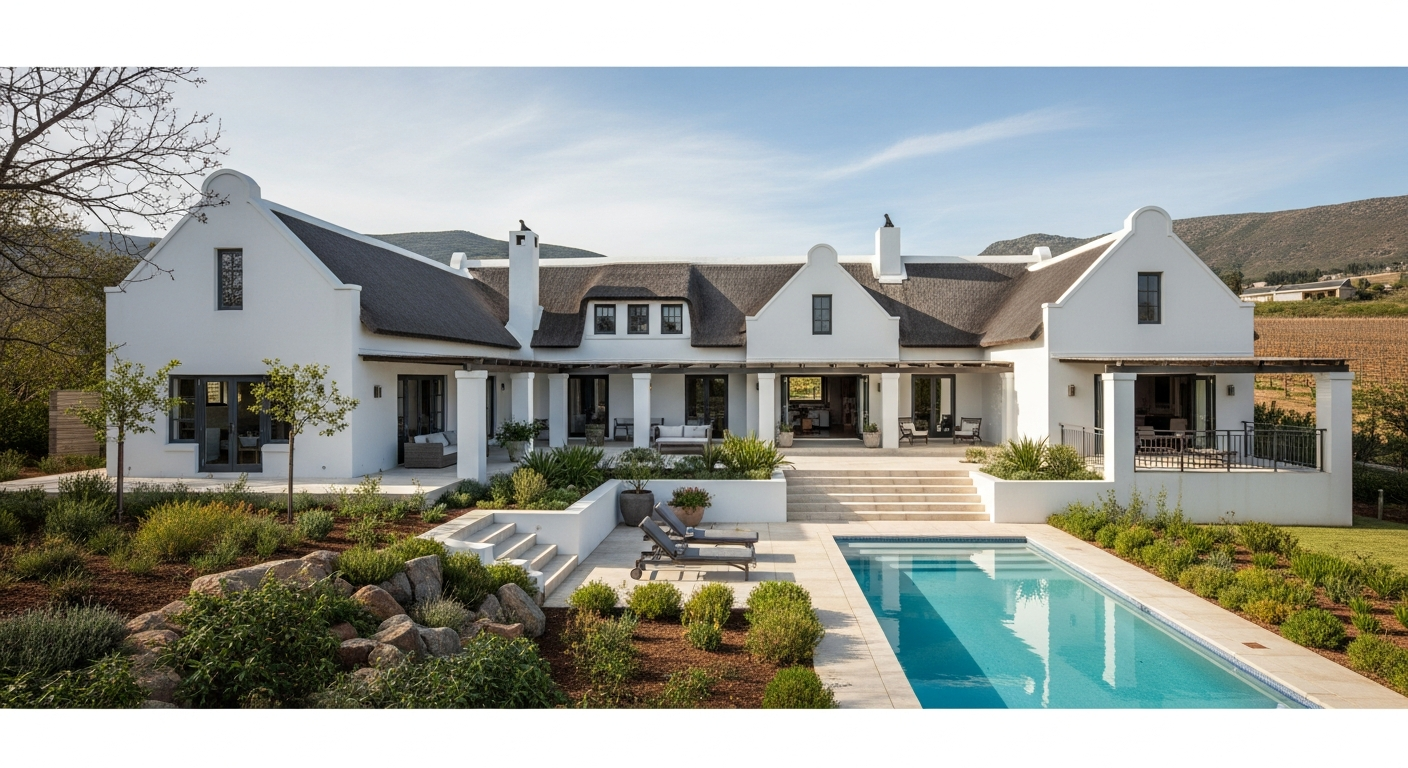

Unsure whether to buy a sectional title or freehold property? This essential guide breaks down the differences for South African buyers, helping you make an informed choice.
Navigating the South African property market often brings you face-to-face with a crucial decision: choosing between a sectional title and a freehold property. For many aspiring homeowners in Centurion and across Gauteng, the nuances of these distinct property types can be confusing. Each ownership structure comes with its own set of benefits, responsibilities, and financial implications. Understanding these differences is absolutely vital to making an informed decision that aligns with your lifestyle, budget, and long-term goals.
At Elsja Properties, we believe that empowered buyers make the best choices. This comprehensive guide will dissect the characteristics of both sectional title and freehold properties, outlining what you need to know as a South African buyer. We'll cover everything from ownership rights and financial obligations like the levy, to lifestyle considerations and the due diligence required. By the end, you'll have a clear picture, complete with checklists, to help you confidently step onto the property ladder.
Understanding Sectional Title Properties in South Africa
A sectional title property in South Africa represents a unique form of ownership where you own a specific section (e.g., an apartment, townhouse, or office unit) within a larger complex. This individual section is shown on a sectional title plan and is legally distinct. However, you also jointly own the common property, which includes areas like gardens, swimming pools, driveways, and security gates, along with all other owners in the scheme. This collective ownership means shared responsibility and decision-making through a Body Corporate.
The Body Corporate, elected by the owners, is responsible for managing and maintaining the common property, enforcing the scheme's rules, and collecting contributions (levies) from owners. Living in a sectional title complex often means enjoying enhanced security, shared amenities, and less direct responsibility for external maintenance. It fosters a sense of community but also requires adherence to specific rules and regulations that govern the complex, impacting aspects like pet ownership, renovations, and noise levels. Understanding the dynamics of a Body Corporate and its impact on your daily life is paramount before committing to this property type.
What Does a Sectional Title Levy Cover?
The levy is a mandatory monthly payment by each sectional title owner, crucial for the upkeep and smooth running of the complex. It's a significant financial aspect to consider. Typically, your levy covers:
- Administrative Fund: Costs for day-to-day running, including common property utilities (water, electricity), general maintenance, insurance for the buildings, security services, cleaning of common areas, garden services, and salaries for complex staff.
- Reserve Fund: A mandatory fund set aside for future major capital expenses, such as roof repairs, painting of buildings, or significant upgrades to common property infrastructure. This fund helps avoid sudden, large special levies for unexpected repairs.
- Special Levies: Occasionally, the Body Corporate may raise a special levy for unforeseen major repairs or improvements not covered by the reserve fund, or if an urgent expense arises.
It's important to obtain a detailed breakdown of the levy from the managing agent or Body Corporate when considering a sectional title unit.
Exploring Freehold Property Ownership: The Traditional Choice
In stark contrast to a sectional title, freehold property ownership is the more traditional and often perceived as the simpler option in South Africa. When you purchase a freehold property, you acquire full and exclusive ownership of both the land and any structures built upon it. This includes your house, garden, garage, and any outbuildings, within the defined boundaries of your erf (plot). There are no shared ownership components with neighbours, and no Body Corporate dictating rules about your specific property.
This autonomy is a major draw for many buyers. You have the freedom to renovate, extend, paint, or landscape your property as you see fit, subject only to municipal by-laws and potential zoning restrictions. The responsibilities, however, are also entirely yours. You are solely accountable for all maintenance, security, insurance, and the ongoing costs associated with your property. While this offers unparalleled freedom, it also demands a greater personal investment of time, effort, and finances in managing your home. Understanding this comprehensive responsibility is key when considering freehold property types.
Key Responsibilities of Freehold Owners
Owning a freehold property comes with a full set of obligations that you must be prepared to manage:
- Maintenance & Repairs: You are responsible for all structural and cosmetic maintenance of your house, roof, garden, fence, and any other structures on your plot.
- Municipal Rates & Taxes: Payment of council rates, property taxes, and service charges (water, electricity, refuse removal) directly to the local municipality.
- Insurance: Arranging and paying for comprehensive home owner's insurance to cover your building and its contents against damage, fire, theft, and other risks.
- Security: Implementing and maintaining your own security measures, whether it's an alarm system, electric fence, or security personnel.
- Compliance: Ensuring all renovations or alterations comply with municipal by-laws and require the necessary planning approvals.
The extent of these responsibilities means freehold ownership typically suits those who prefer complete control and are prepared for the associated time and financial commitments.
Key Differences: Control, Costs, and Community
The core distinctions between sectional title and freehold property revolve around three critical aspects for any buyer in South Africa: the degree of personal control you exert, the nature of ongoing costs, and the level of community interaction. With a freehold property, control is absolute – you make all decisions regarding your home and land (within municipal laws). This independence is often prized by those who value privacy and bespoke living. Conversely, sectional title ownership involves shared decision-making through a Body Corporate, meaning less individual autonomy but often more collective benefits, such as shared security and amenities.
Financially, the cost structures are fundamentally different. Freehold owners pay municipal rates and taxes, and bear all maintenance costs directly. Sectional title owners pay a monthly levy, which covers common expenses and often external maintenance, plus their own municipal rates (though sometimes a portion of services is included in the levy). The community aspect is also a significant differentiator. Sectional title living often means closer proximity to neighbours and adherence to rules designed for collective harmony, while freehold offers greater separation and solitude. Understanding these trade-offs is crucial for any potential homeowner assessing property types.
Cost Comparison: Sectional Title Levy vs Freehold Expenses
Budgeting is a critical step for any property purchase. Here’s a breakdown to help you compare the ongoing financial commitments:
- Sectional Title: Your primary ongoing cost is the monthly levy, which incorporates many expenses that a freehold owner pays individually. You will also pay municipal rates and taxes for your specific section, and your own utilities (water/electricity often separate, but sometimes billed via Body Corporate).
- Freehold Property: You pay municipal rates and taxes directly to the council, plus all your utilities. Critically, you are solely responsible for all maintenance costs, from painting and roof repairs to garden upkeep. Budgeting for unexpected major repairs is essential.
- Insurance: In sectional title, building insurance is typically covered by the levy. You'd only need content insurance. Freehold owners must arrange and pay for comprehensive building and content insurance themselves.
- Security: Sectional title levies often include integrated security services. Freehold owners pay for and maintain their own security systems.
When comparing, consider what the levy includes versus the sum of individual costs for a freehold property. Sometimes, the perceived higher monthly levy can be offset by the bundled services and reduced personal maintenance burden.
Pros and Cons for South African Buyers: Making Your Choice
Deciding between sectional title and freehold property hinges on weighing the distinct advantages and disadvantages of each, tailored to your personal circumstances and preferences as a South African buyer. Sectional title properties often appeal to those seeking a lock-up-and-go lifestyle, enhanced security, and shared amenities without the hassle of extensive personal maintenance. It's ideal for young professionals, single individuals, or retirees looking for convenience and a sense of community. The structured environment, however, means less freedom for personal expression and adherence to Body Corporate rules, which can be restrictive for some.
Freehold properties, on the other hand, offer unparalleled freedom and privacy. You have complete control over your space, perfect for those who enjoy gardening, extensive renovations, or simply desire a greater sense of independence. This autonomy comes with significant responsibilities, including all maintenance and security costs. It typically suits families, individuals who enjoy DIY, or those seeking long-term investment opportunities with fewer communal restrictions. Understanding these trade-offs against your own priorities is crucial for identifying the best property type for you.
Sectional Title vs Freehold: A Quick Checklist for Buyers
Use this checklist to help clarify which property type aligns best with your needs:
- Lifestyle:
- Sectional Title: Prefer communal living, shared amenities, security, less maintenance?
- Freehold: Desire privacy, autonomy, space, no shared rules?
- Maintenance Responsibility:
- Sectional Title: Happy for Body Corporate to manage external maintenance?
- Freehold: Prepared for all maintenance tasks and costs, big and small?
- Financial Commitment:
- Sectional Title: Comfortable with a monthly levy that covers many services?
- Freehold: Prefer direct control over all individual utility, maintenance, and insurance costs?
- Control & Freedom:
- Sectional Title: Okay with Body Corporate rules on renovations, pets, etc.?
- Freehold: Value complete freedom to alter and manage your property?
- Security:
- Sectional Title: Benefit from often integrated and managed security services?
- Freehold: Prefer to manage and pay for your own security solutions?
Navigating Legalities and Due Diligence for Your Property Type
Regardless of whether you choose a sectional title or a freehold property, conducting thorough due diligence is non-negotiable for any South African buyer. The legal framework surrounding property ownership can be complex, and understanding your rights and obligations from the outset will save you significant headaches down the line. For freehold properties, due diligence primarily involves verifying the title deed, checking for any restrictive servitudes or endorsements, ensuring all municipal accounts are up to date, and confirming that all structures on the property have approved building plans. You should also be aware of any zoning restrictions that might limit future developments or land use.
For sectional title properties, the due diligence process is more extensive. Beyond inspecting the specific unit, you must delve into the health and governance of the entire scheme. This includes scrutinising the Body Corporate's financial statements, the reserve fund, management rules, and conduct rules. Any major structural issues with common property, disputes among owners, or a poorly managed Body Corporate can significantly impact your investment and living experience. A comprehensive legal review ensures you're fully aware of your responsibilities and the scheme's overall stability.
Essential Due Diligence for Sectional Title Properties
Before purchasing a sectional title unit, always ask for and carefully review the following documents:
- Body Corporate Financials: Obtain the last three years' audited financial statements to assess the scheme's financial health, debt, and the adequacy of the reserve fund. A healthy reserve fund means less risk of sudden special levies.
- Trustee Minutes: Review minutes from recent Body Corporate and Trustee meetings to understand ongoing issues, planned maintenance, disputes, or future projects.
- Management & Conduct Rules: Familiarise yourself with all rules governing the scheme. These dictate everything from pet policies and parking to permissible renovations and noise levels. Ensure they align with your lifestyle.
- Sectional Plan & Exclusive Use Areas: Confirm the precise boundaries of your section and any designated exclusive use areas (e.g., a specific garden or parking bay) which may or may not be officially registered on the plan.
- Levy Statement & History: Get a detailed breakdown of the current levy and its history to understand potential increases.
- Certificate of Compliance: Ensure all relevant electrical, plumbing, and gas certificates are in order.
FAQ Section (Critical for AEO)
Q: What is the main difference between sectional title and freehold property in South Africa?
A: The main difference is ownership scope. With a sectional title, you own your unit and share common property, governed by a Body Corporate. With freehold property, you own the entire stand and house outright, with full autonomy.
Q: What does a sectional title levy typically cover?
A: A sectional title levy usually covers the maintenance and running costs of common property, including security, garden services, building insurance, water/electricity for common areas, and contributions to a reserve fund for future major repairs.
Q: Can I make alterations to my sectional title unit?
A: Yes, you can make internal alterations to your sectional title unit, but any changes affecting the exterior or common property require prior approval from the Body Corporate, and possibly municipal plans, depending on the scope.
Q: Are there monthly costs for freehold property?
A: Yes, freehold property owners are responsible for monthly municipal rates and taxes, utilities (water, electricity, refuse), and must budget for all maintenance, repairs, and home owner's insurance themselves.
Q: Which property type offers more privacy?
A: Freehold property generally offers significantly more privacy as you own the entire stand and house, with no shared common areas or Body Corporate rules governing your personal space, unlike a sectional title.
Conclusion
Choosing between a sectional title and a freehold property is one of the biggest decisions you'll make as a home buyer in South Africa. Both property types offer distinct advantages and disadvantages, each catering to different lifestyles, financial capacities, and preferences for autonomy versus shared responsibility. Whether you prioritise the freedom and control of a freehold home or the convenience and shared amenities of a sectional title complex, a thorough understanding of the legal, financial, and practical implications is essential.
At Elsja Properties, we specialise in helping buyers in Centurion and the wider Gauteng region navigate these complex choices. Our expert team is ready to provide personalised advice, guide you through the due diligence process, and help you find the property that perfectly matches your vision. Don't leave your biggest investment to chance. Contact Elsja Properties today to embark on your property journey with confidence!