Explore Centurion's 2026 buy-to-let market with expert ROI analysis, rental yield insights, and proven investment strategies from Elsja Properties.
Buy-to-Let Investment in Centurion: Why 2026 Is Your Year
Buy-to-let investment in Centurion has emerged as one of Gauteng's most compelling property strategies, offering investors a rare combination of strong rental income, consistent capital growth, and growing tenant demand. Centurion sits at the geographic and economic heart of Tshwane, benefiting from proximity to Pretoria's government precinct, Midrand's corporate corridor, and major transport arteries including the Gautrain. In 2026, favourable interest rate adjustments, a stabilising economy, and an expanding middle-class rental population make this the ideal moment to enter or expand your Centurion rental property portfolio. This guide provides a detailed analysis of rental yields, ROI metrics, investment strategies, and neighbourhood intelligence to help you make a confident, data-driven decision.
Understanding the Centurion Rental Market in 2026
Centurion's rental market has matured significantly over the past five years, driven by infrastructural investment, lifestyle amenities, and a steady influx of corporate tenants. The area's rental vacancy rates remain among the lowest in Gauteng, hovering around 6–8%, which signals robust demand and pricing power for landlords.
Key Rental Market Drivers
- Gautrain Connectivity: The Centurion Gautrain station makes the suburb exceptionally attractive to professionals commuting between Johannesburg and Pretoria, sustaining high demand for well-located rental property.
- Corporate Presence: Major employers including Deloitte, EOH, and various government departments maintain large Centurion offices, creating a reliable pool of employed, creditworthy tenants.
- Lifestyle Infrastructure: Centurion Mall, SuperSport Park, top-rated schools, and premium healthcare facilities make the area a long-term lifestyle destination, reducing tenant turnover.
- Semigration Trends: South Africans relocating from coastal cities frequently choose Centurion for its relative affordability compared to Sandton while retaining urban convenience.
- New Development Pipeline: Mixed-use developments in Lyttelton, Irene, and Wierdagpark continue attracting younger, urban-professional tenants seeking modern lock-up-and-go units.
These fundamentals collectively support both short-term rental income stability and long-term centurion investment value appreciation, making 2026 a strategically sound entry point for property investors.
Analysing ROI and Rental Yields in Centurion
A rigorous ROI analysis is the cornerstone of any successful buy-to-let strategy. In Centurion, gross rental yields currently range between 7% and 10% depending on property type, size, and precise location — figures that comfortably outperform many traditional savings vehicles and compare favourably with national averages of 6–8%.
Sample ROI Breakdown for a Centurion Buy-to-Let Property
- Purchase Price: R1,500,000 (two-bedroom apartment, Lyttelton Manor)
- Monthly Rental Income: R12,500
- Annual Gross Rental: R150,000
- Gross Rental Yield: 10%
- Estimated Annual Expenses (levies, rates, maintenance, insurance): R36,000
- Net Annual Rental Income: R114,000
- Net Rental Yield: 7.6%
- Projected 5-Year Capital Growth (at 6% p.a.): R507,685 in value appreciation
Net rental yield is the more meaningful figure for investors, as it accounts for real holding costs. When combined with capital growth, total returns on a well-selected Centurion rental property can exceed 13–15% annually — a compelling case for property as a wealth-building asset class. Always factor bond repayment costs into your personal ROI calculation to determine actual cash flow position.
Top Buy-to-Let Investment Strategies for Centurion 2026
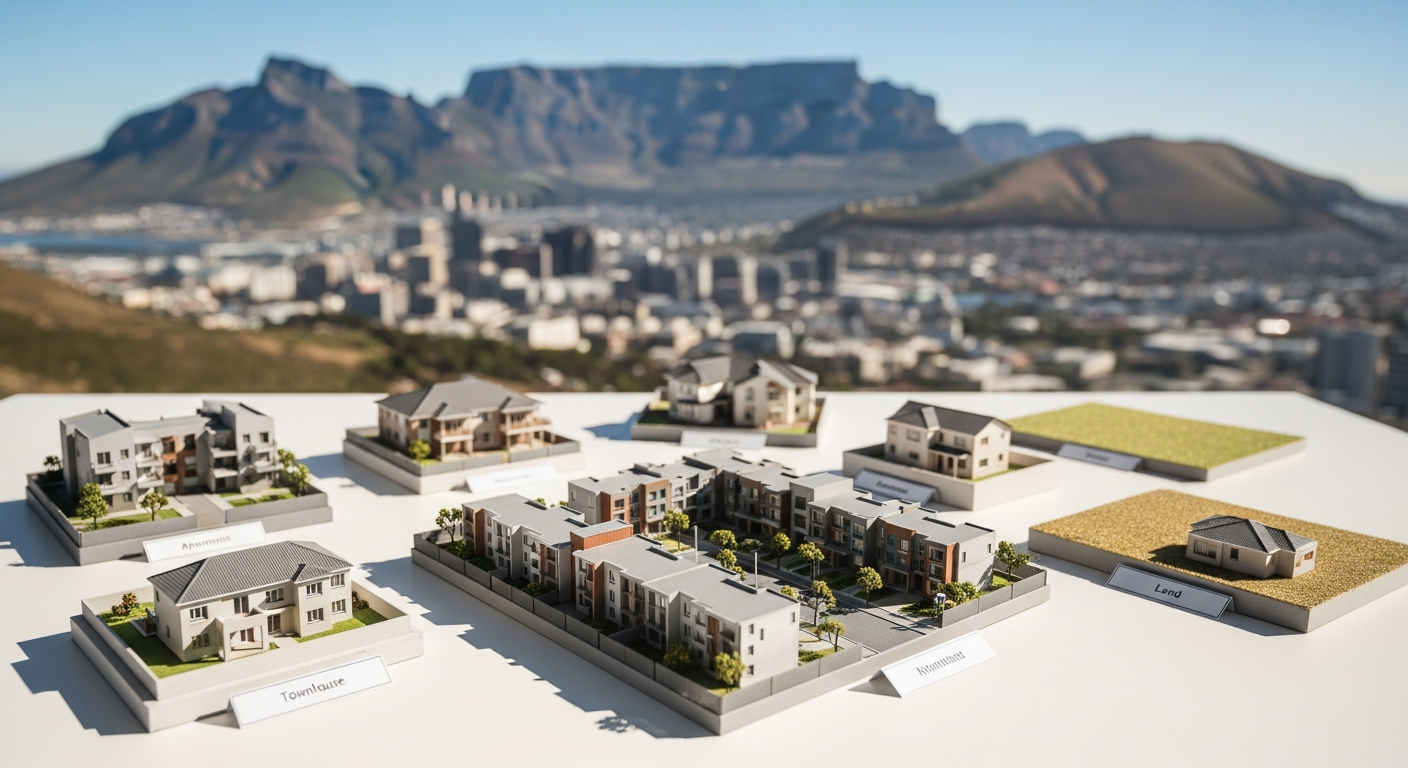
Not all buy-to-let approaches are created equal. Centurion's diverse property landscape — from sectional title apartments to full-title family homes — supports multiple investment strategies. Choosing the right one depends on your capital base, risk appetite, and investment horizon.
Strategy 1: The Sectional Title Yield Play
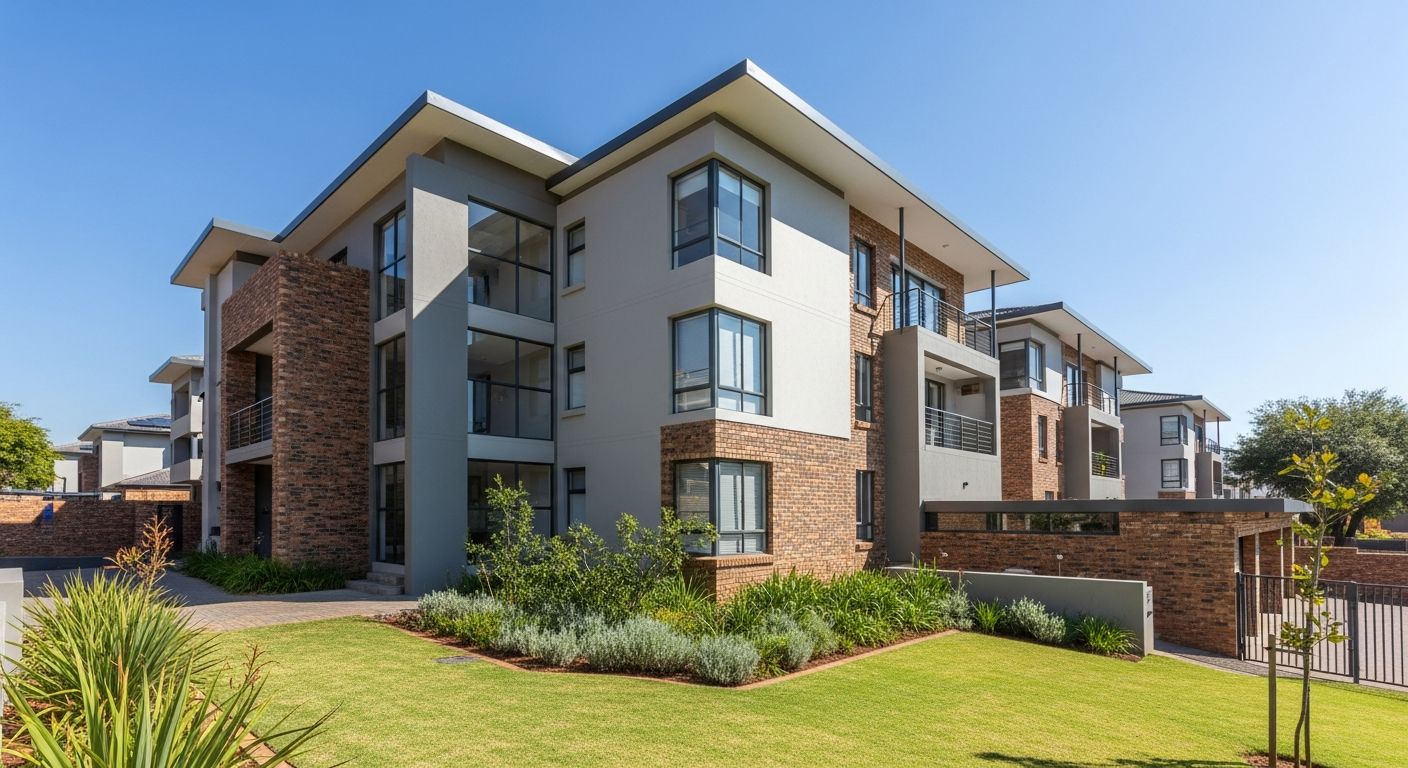
Purchasing a one- or two-bedroom apartment in a well-managed complex targets the large pool of young professionals and couples. Entry prices between R900,000 and R1,400,000 keep bond repayments manageable, while rental income of R9,000–R13,000 per month can generate positive cash flow relatively quickly. Complexes with controlled levies and strong body corporates protect your investment's long-term condition and tenant appeal.
Strategy 2: The Family Home Capital Growth Strategy
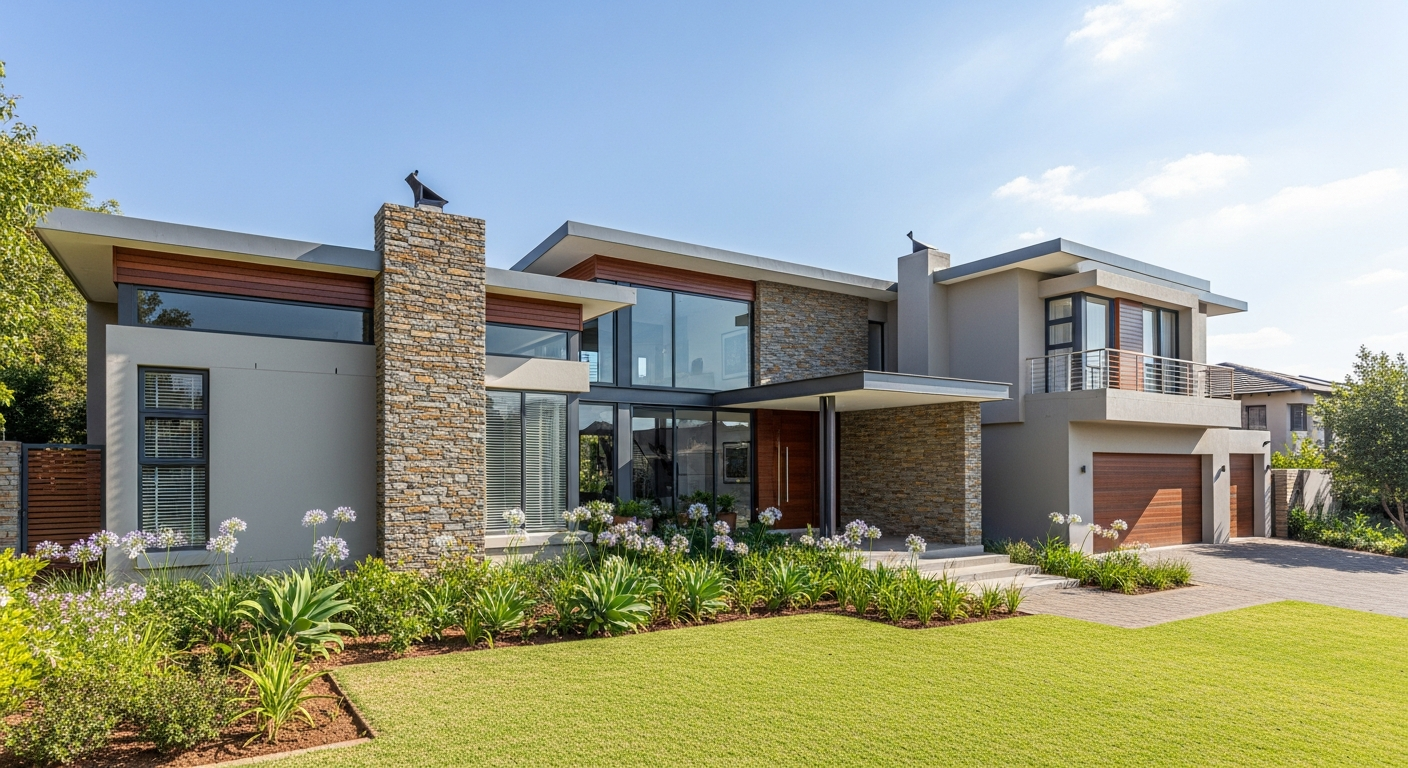
Acquiring a three- to four-bedroom freehold home in sought-after estates such as Irene Farm Villages or Eldoraigne targets the family tenant market. Rental income is typically R18,000–R28,000 per month, and capital growth in these nodes has historically exceeded the Centurion average. This strategy prioritises long-term wealth accumulation over immediate cash flow optimisation.
Strategy 3: The Multi-Unit Portfolio Approach
Experienced investors often acquire blocks of flats or multiple sectional title units in a single complex to benefit from economies of scale in management, maintenance, and letting fees. Diversification across multiple tenants also mitigates vacancy risk significantly.
Step-by-Step Guide to Buying Your First Centurion Rental Property
For first-time buy-to-let investors, the process can appear daunting. Breaking it into structured steps demystifies the journey and ensures no critical detail is overlooked.
- Define Your Investment Goals: Determine whether you prioritise monthly rental income, long-term capital growth, or a balanced combination. This shapes every subsequent decision.
- Establish Your Budget and Finance: Obtain pre-qualification from a bond originator. Banks typically require a 10–20% deposit for investment properties. Use a bond calculator to model monthly repayments against projected rental income.
- Research Centurion Suburbs: Analyse average rental prices, vacancy rates, and capital growth trends in target areas. Lyttelton, Amberfield, Irene, and Wierda Park each offer distinct risk-return profiles.
- Engage a Specialist Property Agent: Partner with a Centurion-based agency like Elsja Properties that has real-time market data, investor-focused listings, and tenant placement capabilities.
- Conduct Due Diligence: Inspect the property thoroughly, review body corporate financials (for sectional title), verify municipal rates, and obtain a professional valuation.
- Calculate True ROI: Model gross yield, net yield, and total return including projected capital growth before making an offer to purchase.
- Secure Your Tenant: Use a reputable letting agent to screen tenants rigorously — credit checks, employment verification, and rental history review are non-negotiable steps.
- Manage Your Asset Proactively: Schedule regular property inspections, maintain the property diligently, and review rental pricing annually to stay aligned with market rates.
Following this structured process dramatically increases the probability of a profitable, stress-free buy-to-let investment in Centurion's 2026 property market.
Best Suburbs for Rental Property Investment in Centurion
Location remains the single most important determinant of buy-to-let success. Within Centurion's broad geographic footprint, certain suburbs consistently outperform on rental yield, tenant demand, and capital growth metrics.
High-Yield Suburbs to Watch
- Lyttelton Manor: Established suburb with consistent rental demand from government and corporate professionals. Average two-bedroom apartment yield: 8.5–10%. Excellent Gautrain accessibility.
- Amberfield: Rapidly developing node with modern estates and young family demographics. Rental yields of 7–9% with strong capital growth forecasts as infrastructure matures.
- Irene: Premium lifestyle suburb attracting high-income tenants. Lower gross yields (6.5–8%) but exceptional capital growth, particularly in the Irene Farm Villages precinct.
- Wierda Park: Affordable entry point with solid yields (8–10%) and proximity to major retail and educational nodes. Popular with young professionals and smaller families.
- Eldoraigne: Established, leafy suburb with strong school catchment areas driving consistent family tenant demand and lower vacancy rates than the Centurion average.
Each suburb offers a different balance between rental income and capital appreciation potential. A diversified portfolio spanning two or more of these nodes provides natural risk mitigation and exposure to multiple growth drivers within the broader centurion investment thesis.
Q: What is the average rental yield for buy-to-let properties in Centurion in 2026?
A: The average gross rental yield for buy-to-let properties in Centurion in 2026 ranges between 7% and 10%, depending on property type and location. Sectional title apartments in high-demand suburbs like Lyttelton and Wierda Park tend to achieve the upper end of this range, while premium freehold homes in Irene offer lower yields but stronger long-term capital growth potential.
Q: Is Centurion a good place to invest in rental property?
A: Yes, Centurion is an excellent place to invest in rental property in 2026. The suburb benefits from Gautrain connectivity, strong corporate and government tenant demand, low vacancy rates of around 6–8%, and consistent capital growth. Its central location between Johannesburg and Pretoria, combined with quality lifestyle amenities and good schools, ensures sustained long-term rental demand.
Q: How much deposit do I need to buy a rental property in Centurion?
A: Most South African banks require a deposit of between 10% and 20% of the purchase price for a buy-to-let investment property in Centurion. On a R1,500,000 apartment, that means R150,000 to R300,000 upfront. Some first-time investors with strong credit profiles may secure 100% bonds, but a deposit improves your interest rate and cash flow position significantly.
Q: What types of rental properties generate the best ROI in Centurion?
A: One- and two-bedroom sectional title apartments in well-managed complexes close to the Gautrain station or major business nodes generate the best short-term ROI in Centurion, with gross yields of 8–10%. For long-term total return including capital growth, three-bedroom family homes in established estates like Irene or Eldoraigne offer a compelling combined yield-plus-growth profile.
Q: How do I calculate the ROI on a buy-to-let property in South Africa?
A: To calculate ROI on a South African buy-to-let property, divide your annual net rental income — after expenses like levies, rates, insurance, and maintenance — by the property's purchase price, then multiply by 100 to get your net yield percentage. Add your projected annual capital growth percentage to arrive at a total return figure. For example, a 7.6% net yield plus 6% capital growth equals approximately 13.6% total annual ROI.
Conclusion: Start Your Centurion Buy-to-Let Journey with Elsja Properties
The Centurion buy-to-let market in 2026 presents a genuinely exciting opportunity for both first-time and seasoned investors. With gross rental yields of 7–10%, robust tenant demand, improving economic fundamentals, and a diverse range of investment entry points across multiple price brackets, the case for buy-to-let investment in Centurion has rarely been stronger. The key to success lies in rigorous financial modelling, intelligent suburb selection, and partnering with a team that has deep local market knowledge and genuine investor expertise.
Elsja Properties is Centurion's dedicated property investment partner, offering curated investment listings, personalised ROI analysis, professional tenant placement, and ongoing property management support. Whether you are purchasing your first rental property or expanding an existing portfolio, our team is ready to guide every step of your journey. Visit elsjaprop.co.za today or contact us directly to book your complimentary investment consultation — your future rental income starts with a single conversation.