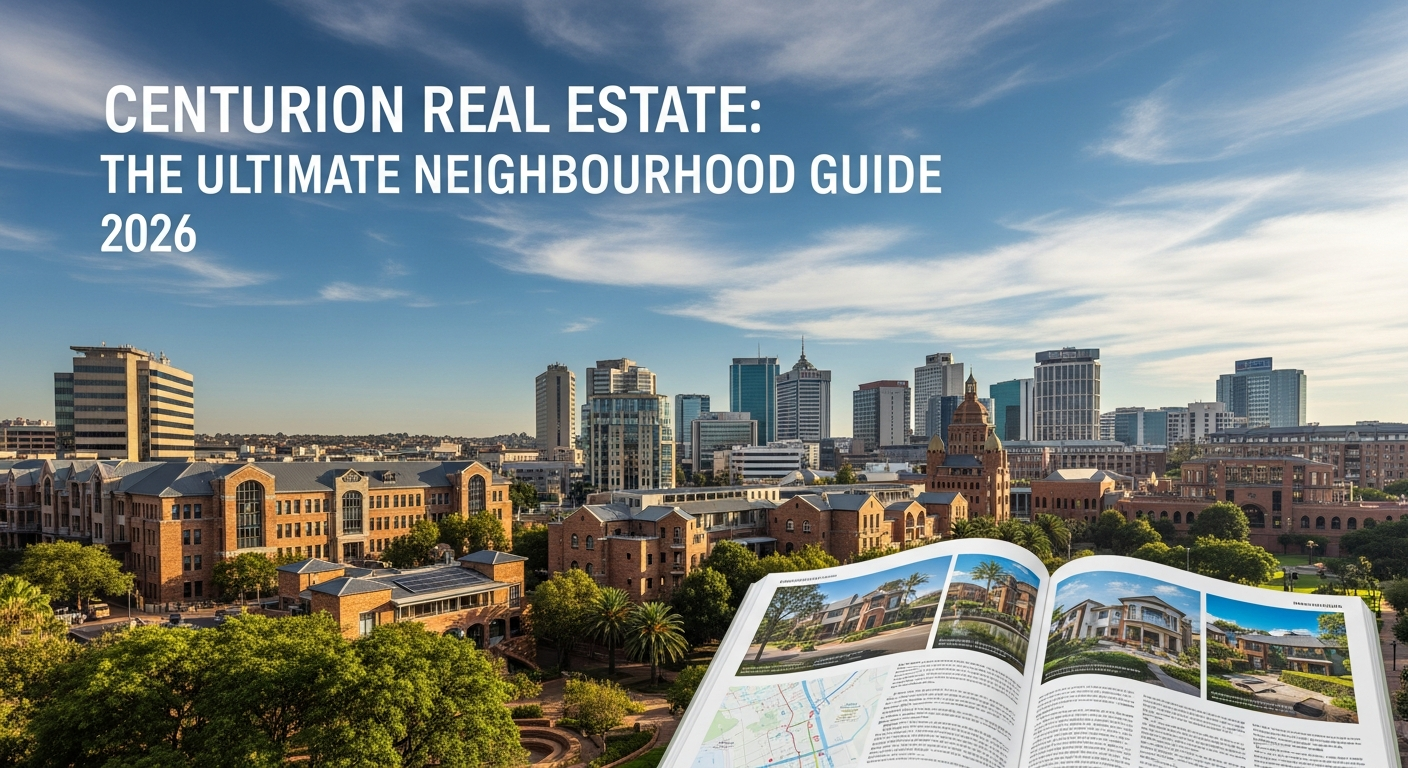

Looking to sell your property in South Africa? This comprehensive guide covers everything from preparing your home to navigating the legal and financial aspects. Get ready for a smooth selling experience!
Selling Property in South Africa: Your Ultimate Guide
Navigating the journey of selling property in South Africa can feel like a complex maze, whether you're a first-time seller or a seasoned investor. From preparing your beloved home for potential buyers to understanding the intricacies of legal contracts and financial obligations, each step requires careful consideration and expert guidance. Here at Elsja Properties, based right here in Centurion, Gauteng, we understand the local market nuances and are committed to simplifying this process for you. This comprehensive guide is designed to equip you with all the essential knowledge, ensuring a smoother, more efficient, and ultimately successful sale. Let's delve into everything you need to know to confidently sell your South African property.
1. Preparing Your Property for a Successful Sale
The first impression is often the most lasting, especially when it comes to attracting potential buyers for your home. Proper preparation can significantly impact your property's market appeal and final sale price. Before you even think about listing, take an objective look at your home through a buyer's eyes. Minor repairs and cosmetic enhancements can yield substantial returns. Think about fixing leaky taps, repairing cracked tiles, or giving walls a fresh coat of neutral paint. Decluttering and depersonalising your space allows buyers to envision themselves living there.
The Importance of a Realistic Property Valuation
One of the most critical initial steps is obtaining an accurate property valuation. While online tools offer estimates, a professional valuation by a reputable estate agent like those at Elsja Properties provides an informed and realistic market-related price. This isn't just about what you want for your property, but what the current market in Centurion, Gauteng, and wider South Africa is willing to pay. Overpricing can deter buyers, while underpricing means you lose out. Our agents consider various factors, including recent comparable sales, property condition, location, and market trends, to ensure your property is priced competitively.
- Home Staging: Consider professional home staging or at least decluttering and rearranging furniture to highlight your home's best features. Cleanliness is paramount – a spotless home signals care and good maintenance.
- Curb Appeal: Don't forget the exterior. Tidy up the garden, prune overgrown bushes, and ensure the entrance is welcoming. First impressions start long before a buyer steps inside.
- Minor Repairs: Address any obvious wear and tear. Small fixes like loose door handles, faulty light switches, or peeling paint can create an impression of neglect, which buyers might use to negotiate a lower price.
Investing a little time and effort in these initial preparation steps can significantly enhance your property's attractiveness, potentially leading to a quicker sale and a better return on your investment in the competitive South African market.
2. Choosing the Right Estate Agent and Understanding Mandates
The success of selling property in South Africa heavily relies on partnering with the right estate agent. A skilled and experienced agent acts as your advocate, marketer, and negotiator, navigating the complexities of the market on your behalf. When selecting an agent, look for someone with an in-depth understanding of your local area, such as Centurion, Gauteng, and a proven track record of successful sales. Professionalism, excellent communication skills, and a strong marketing strategy are key attributes.
Types of Mandates: Open, Sole, and Exclusive
Understanding the different types of mandates is crucial before committing to an agent:
- Open Mandate: This allows you to list your property with multiple agencies. While it seems like more exposure, it can lead to a fragmented marketing effort and a lack of dedicated focus from individual agents. Agents might be less inclined to invest heavily in marketing if they know several others are also trying to sell.
- Sole Mandate: This grants a single agency the exclusive right to sell your property for a specified period. This often motivates the agent to invest more in marketing and resources, knowing they will receive the commission upon sale. It streamlines communication and marketing efforts, typically leading to a more focused and effective approach.
- Exclusive Mandate: Similar to a sole mandate, but usually with stricter terms that prevent you from selling the property yourself during the mandate period. It offers the highest level of commitment from the agent, often resulting in premium marketing packages and dedicated attention.
At Elsja Properties, we often recommend a sole or exclusive mandate for optimal results. It fosters a dedicated partnership, allowing us to implement a comprehensive marketing strategy tailored specifically to your property, reaching the right buyers in Centurion and beyond. Discuss commission structures upfront and ensure all terms are clearly outlined in your mandate agreement. A transparent relationship with your agent is vital for a smooth and successful sale process.
3. Navigating the Offer to Purchase and Legalities
Once your property is listed and attracting interest, you'll likely receive an Offer to Purchase (OTP). This is a legally binding document outlining the terms and conditions under which a buyer wishes to purchase your property. It's imperative to review every clause carefully, ideally with the assistance of your estate agent or a legal professional. The OTP will detail the purchase price, occupational rent (if applicable), sale conditions (e.g., subject to bond approval or sale of another property), and timelines for various actions.
Understanding Key Conditions and What Happens Next
The OTP is not merely an expression of interest; it's a contract. Common conditions include:
- Bond Approval: The sale is often subject to the buyer securing a home loan from a financial institution within a specified period.
- Sale of Buyer's Property: Sometimes a buyer needs to sell their current home before they can purchase yours. This condition can extend the process, but your agent will guide you on the implications.
- Inspection Clauses: Buyers might include clauses allowing for property inspections to identify defects.
Once you accept an OTP, the process moves into the hands of the legal teams. Your agent will provide the accepted OTP to your chosen conveyancing attorney (or the buyer's if specified in the offer), who will then initiate the transfer process. This formalises the agreement and sets the wheels in motion for ownership transfer. It’s crucial to understand that until all conditions in the OTP are met and waived, the sale is not yet unconditional. Your agent plays a pivotal role in managing communication between all parties and ensuring adherence to the agreed timelines, particularly in the fast-paced Gauteng property market.
4. The Conveyancing Process and Property Transfer
The conveyancing process is arguably the most intricate legal phase of selling property in South Africa. It involves the legal transfer of ownership from the seller to the buyer and is handled by a conveyancer – a specialised attorney. The conveyancer's primary role is to ensure that the transfer of property is legally sound, all necessary documents are prepared, and all financial obligations (like transfer duty and rates) are settled. This process is highly regulated and requires meticulous attention to detail to prevent future disputes.
Key Steps in the Property Transfer Process
The conveyancing process generally follows these steps:
- Appointment of Conveyancer: Typically, the seller has the right to appoint the conveyancer, but this can be negotiated.
- Document Collection: The conveyancer will request various documents from you, including your title deed, identity documents, and any existing bond details. They will also gather documents from the buyer.
- Financial Clearance: This involves obtaining rates clearance certificates from the local municipality (like Centurion Municipality), an electrical compliance certificate, and other essential certificates (e.g., beetle, gas, electric fence). You, as the seller, are generally responsible for the costs associated with these certificates and ensuring your property complies.
- Drafting and Signing Documents: The conveyancer drafts the deed of transfer, bond documents (for the buyer), and other relevant papers. Both seller and buyer will need to sign these documents in front of the conveyancer.
- Lodgement at Deeds Office: Once all documents are signed and financials are in order, the conveyancer lodges the entire package at the relevant Deeds Office (e.g., Pretoria Deeds Office for Gauteng properties).
- Registration and Finalisation: After approximately 7-10 working days at the Deeds Office, the transfer is registered, and ownership officially passes to the buyer. Funds are then disbursed, and the new title deed issued.
Throughout this period, your conveyancer will communicate updates. It's a complex process that can take anywhere from 6-12 weeks, depending on the efficiency of all parties and the Deeds Office. Effective communication between your estate agent, conveyancer, and yourself is paramount to ensure a smooth progression and meet all deadlines.
5. Understanding Financial and Tax Implications
Selling a property involves more than just receiving the purchase price; there are several financial and tax implications that sellers in South Africa need to be aware of. Being prepared for these costs and potential liabilities ensures there are no unpleasant surprises, allowing you to accurately budget for your next move or investment.
Key Financial Considerations for Sellers
- Estate Agent Commission: This is typically the largest cost for the seller. It's a percentage of the sale price, agreed upon in your mandate with the estate agent. Commission rates are negotiable but generally range from 5-7% (plus VAT) in South Africa.
- Bond Cancellation Fees: If you have an existing home loan, you'll incur bond cancellation fees. You must also provide your bank with 90 days' notice of your intention to cancel the bond, or you may face penalty interest.
- Rates and Levy Clearance Certificates: As mentioned, you'll need to obtain these from your municipality (for rates) and/or homeowners' association/body corporate (for levies). The conveyancer will handle this, but the costs are usually for the seller's account.
- Compliance Certificates: These include electrical, gas, electric fence, and potentially plumbing and entomology (beetle) certificates, depending on the property's location and specific features. These ensure the property complies with safety standards and are legally required for transfer.
- Capital Gains Tax (CGT): This is a tax levied on the profit you make from selling your property. If your property is your primary residence and the gain is below R2 million, you might be exempt. However, if it's an investment property or the gain exceeds the threshold, CGT will apply. It's crucial to consult a tax advisor or your conveyancer regarding your specific CGT obligations.
Ensuring you have a clear understanding of these costs will help you accurately calculate your net proceeds from the sale of your property in Centurion or anywhere else in South Africa. An expert estate agent can provide an estimated breakdown of these expenses as part of their service, giving you a clearer financial picture from the outset.
Frequently Asked Questions About Selling Property in South Africa
Q: What documents do I need to sell my house in South Africa?
A: To sell your house, you'll primarily need your Title Deed, Identity Document, bond account details (if applicable), and all compliance certificates (electrical, gas, electric fence). Your conveyancer will guide you on gathering these and any additional necessary paperwork.
Q: How long does it take to sell a house in South Africa?
A: The time to sell varies greatly based on market conditions, property type, and pricing. Listing to offer can be weeks to months. Once an offer is accepted, the conveyancing process typically takes 6 to 12 weeks to complete the transfer of ownership.
Q: Who pays for the conveyancer when selling property in South Africa?
A: Traditionally, the buyer pays the transfer costs, which include the conveyancer's fees for the transfer of ownership. However, the seller is responsible for bond cancellation fees and any compliance certificate costs. This can sometimes be negotiated.
Q: Is Capital Gains Tax applicable when I sell my primary residence?
A: Capital Gains Tax (CGT) is generally not applicable to the first R2 million of profit when selling your primary residence in South Africa. However, if the profit exceeds this threshold or it's an investment property, CGT will apply. Always consult a tax professional.
Q: What is a mandate and why is it important when choosing an estate agent?
A: A mandate is a legal agreement authorising an estate agent to market and sell your property. It's crucial because it defines the terms of engagement, commission, and the agent's responsibilities, ensuring clarity and commitment from both parties. Different types offer varying levels of exclusivity.
Ready to Sell Your Property with Confidence?
Selling property in South Africa, particularly in a vibrant market like Centurion, Gauteng, requires more than just placing a 'for sale' sign. It demands a strategic approach, a deep understanding of market dynamics, and unwavering legal expertise. From the initial valuation and preparing your home to selecting the right estate agent, navigating complex mandates, and successfully completing the conveyancing process, each phase is interconnected and vital to achieving your desired outcome.
At Elsja Properties, we pride ourselves on being your trusted partner throughout this significant journey. Our dedicated team possesses extensive local market knowledge and a commitment to providing transparent, professional service. We're here to guide you through every step, ensuring your property sale is as smooth and stress-free as possible. Don't leave your most valuable asset to chance. Contact Elsja Properties today for expert advice and to start your successful property selling journey with us. Let us help you unlock the best value for your Centurion home.